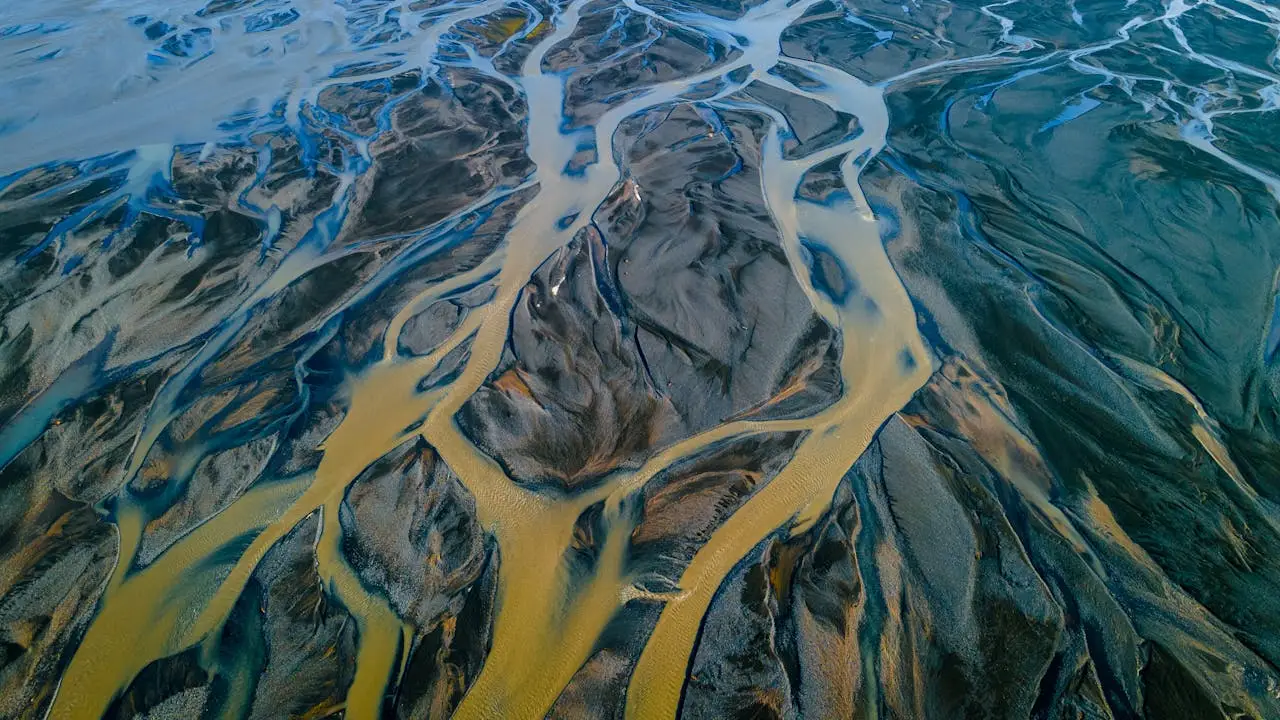
River deltas are among the most dynamic landscapes on Earth. They are also home to hundreds of millions of people and trillions of dollars in infrastructure. The tension between natural instability and human permanence lies at the heart of many modern environmental challenges.
Decades of research—including our own peer-reviewed work—show that deltaic systems evolve through a balance of sediment supply, accommodation space, and relative sea-level change. When that balance is disrupted, rapid landscape transformation follows. Levees, channelization, sediment starvation, and fluid extraction can all tip the system toward net land loss.
One of the most persistent misconceptions in coastal management is the idea that deltas can be “fixed” into a static configuration. From a geological perspective, this assumption is indefensible. Deltas migrate, subside, avulse, and reorganize over timescales that matter for engineering, policy, and finance.
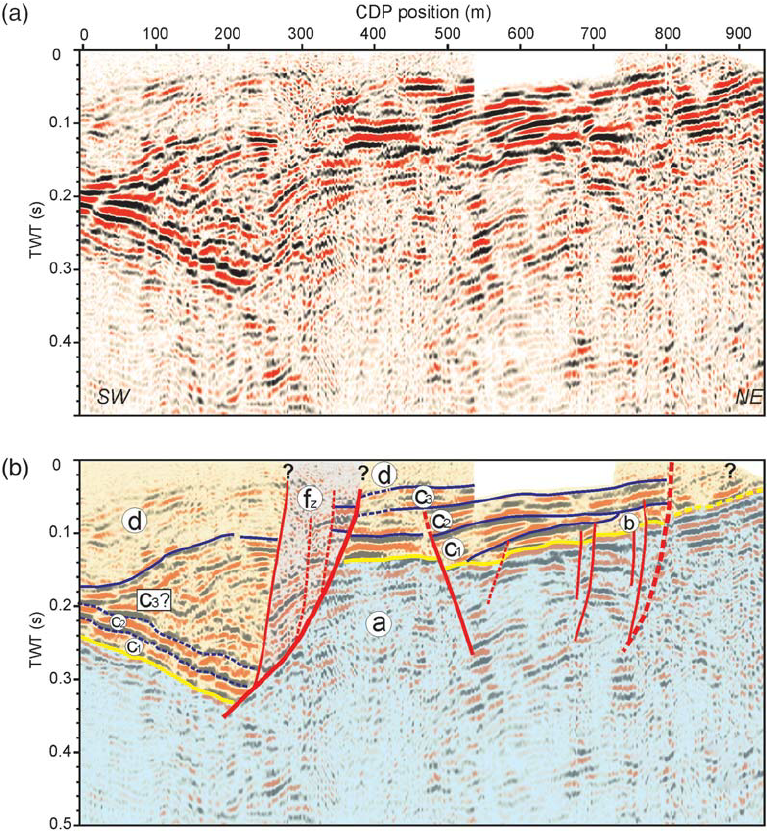
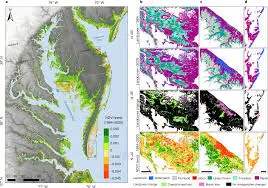
Our research integrates stratigraphic analysis with spatial modeling to examine how deltas respond to both natural forcing and human intervention. These methods allow us to reconstruct past landscape change and evaluate future trajectories under different management scenarios. Crucially, they also help identify thresholds—points beyond which recovery becomes increasingly difficult or impossible.
For planners and decision-makers, the implication is clear: working with deltaic processes is more effective than working against them. Projects that align with sediment delivery pathways and natural subsidence patterns tend to be more resilient than those that attempt to override them.
This perspective is especially important in litigation and environmental review settings, where competing narratives often oversimplify complex systems. Sound science does not provide easy answers—but it does provide defensible ones.
At Frederick Geosciences, we bring an academic understanding of delta dynamics into applied contexts, helping clients navigate uncertainty with clarity rather than false precision. In landscapes built to change, adaptability is not a weakness—it is a necessity.
Questions about this topic? Contact Frederick Geosciences for a technical consultation.